
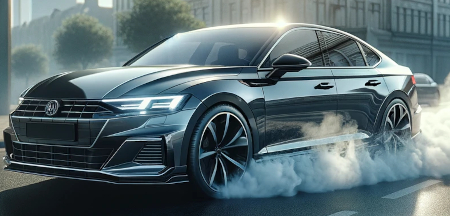
Imagine this scenario: you start your car on a chilly morning, and as you pull out of the driveway, you notice something unusual - white smoke billowing from the exhaust pipe. Your heart races as you wonder what could be wrong with your vehicle. White smoke coming out of the exhaust is undoubtedly a cause for concern, but it doesn't always signify a catastrophic problem. In this comprehensive guide, we'll delve into the various causes of white smoke, how to diagnose the issue, and the steps you can take to resolve it.
What Causes White Smoke from the Exhaust?
Before we delve into the causes, it's essential to understand that white smoke from the exhaust can be categorized into two main types: steam and coolant-related smoke. Each type indicates different underlying issues.
-
Steam: Steam is often mistaken for smoke, especially on cold mornings or after the car has been sitting for an extended period. It's a natural byproduct of the combustion process, particularly in gasoline engines. When the hot exhaust gases come into contact with the cold air, they condense, forming water vapor, which appears as white steam.
-
Coolant-related Smoke: Coolant-related white smoke is more concerning and typically indicates a problem with the engine's cooling system. This type of smoke is caused by coolant leaking into the combustion chamber and burning along with the fuel. It's crucial to address coolant-related smoke promptly to prevent potential engine damage.
Common Causes of Coolant-related White Smoke:
-
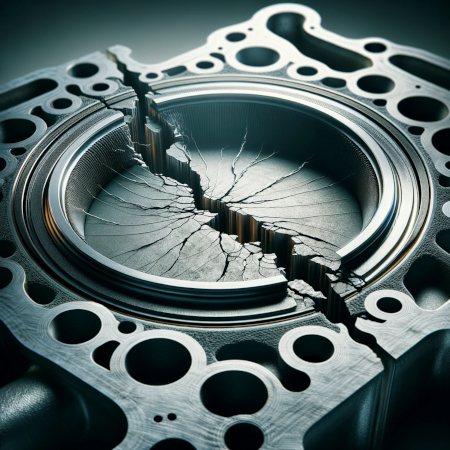
Leaking Head Gasket: A damaged or blown head gasket can allow coolant to leak into the combustion chamber, resulting in white smoke from the exhaust. Other symptoms of a blown head gasket include overheating, loss of coolant without any visible leaks, and a milky substance on the oil dipstick.
-
Cracked Cylinder Head: Similar to a blown head gasket, a cracked cylinder head can also permit coolant to enter the combustion chamber, leading to white smoke. This issue often requires professional intervention to repair or replace the cylinder head.
-
Cracked Engine Block: In severe cases, a cracked engine block can allow coolant to mix with the combustion gases, causing white smoke from the exhaust. Repairing a cracked engine block is a significant undertaking and may involve engine replacement in extreme cases.
-
Faulty Intake Manifold Gasket: A faulty intake manifold gasket can allow coolant to leak into the combustion chamber, resulting in white smoke. This issue often accompanies symptoms such as rough idling, engine misfires, and a noticeable decrease in engine performance.
-
Damaged Cylinder Head: Damage to the cylinder head, such as a cracked or warped surface, can disrupt the proper sealing of the combustion chamber, leading to coolant leakage and white smoke. This problem usually requires machining or replacement of the cylinder head.
Diagnosing the Issue:
Identifying the cause of white smoke coming from the exhaust requires a systematic approach. Here's a step-by-step guide to diagnosing the problem:
Step 1: Check the Coolant Level: Start by checking the coolant level in the reservoir or radiator. A significant loss of coolant without any visible leaks indicates a potential internal leak.
Step 2: Inspect the Oil: Check the engine oil for any signs of contamination. A milky or foamy appearance on the dipstick indicates coolant mixing with the oil, suggesting a blown head gasket or other internal engine issue.
Step 3: Perform a Compression Test: A compression test can help identify any issues with the engine's internal components, such as the head gasket, cylinder head, or piston rings. Low compression in one or more cylinders could indicate a leak causing white smoke.
Step 4: Check for Coolant Leaks: Inspect the engine bay and under the vehicle for any signs of coolant leaks. Common areas to check include the radiator, hoses, water pump, and intake manifold.
Step 5: Monitor Exhaust Smoke: Pay attention to the color and smell of the exhaust smoke. Coolant-related white smoke often has a sweet smell and may be accompanied by a loss of engine power or rough running.
Step 6: Consult a Professional: If you're unable to diagnose the issue or suspect a more severe problem, it's best to consult a qualified mechanic or technician for a thorough inspection.
Solutions and Repairs:
Once you've identified the cause of the white smoke, it's essential to take appropriate action to address the issue. Here are some common solutions and repairs for coolant-related white smoke:
-
Replace the Head Gasket: If a blown head gasket is the culprit, replacing it is necessary to prevent further coolant leakage and engine damage. This repair typically involves removing the cylinder head, replacing the gasket, and reassembling the engine.
-
Repair or Replace the Cylinder Head: In cases where the cylinder head is cracked or damaged, repairs may be possible through machining or welding. However, severe damage may require cylinder head replacement to ensure proper sealing and engine performance.
-
Seal Cracks in the Engine Block: Depending on the extent of the damage, cracks in the engine block may be repairable using epoxy or other sealants. However, extensive damage may necessitate engine replacement.
-
Replace Faulty Components: Faulty intake manifold gaskets, cracked hoses, or other damaged cooling system components should be replaced to prevent further coolant leaks and white smoke.
-
Flush the Cooling System: After repairing the issue, it's essential to flush the cooling system to remove any contaminants and ensure proper coolant circulation. Refill the system with fresh coolant according to the manufacturer's specifications.

Preventative Maintenance Tips:
To minimize the risk of white smoke and other engine problems, follow these preventative maintenance tips:
- Regularly inspect the cooling system for leaks, damage, or worn components.
- Keep the engine properly tuned and maintain the recommended service intervals.
- Use the correct type of coolant and adhere to the manufacturer's guidelines for coolant mixture and replacement intervals.
- Avoid overheating the engine by addressing cooling system issues promptly and avoiding extended periods of idling or heavy loads.
- Monitor engine temperature and coolant levels regularly, especially before long trips or during extreme weather conditions.
Conclusion:
White smoke coming from the exhaust can be a worrying sight for any vehicle owner, but it's essential not to panic. While coolant-related white smoke may indicate underlying issues with the engine's cooling system, many problems are repairable with proper diagnosis and timely intervention. By understanding the causes of white smoke, performing thorough diagnostics, and taking appropriate action, you can prevent further damage to your vehicle and ensure reliable performance on the road. Remember, when in doubt, consult a qualified mechanic or technician for professional assistance.
