
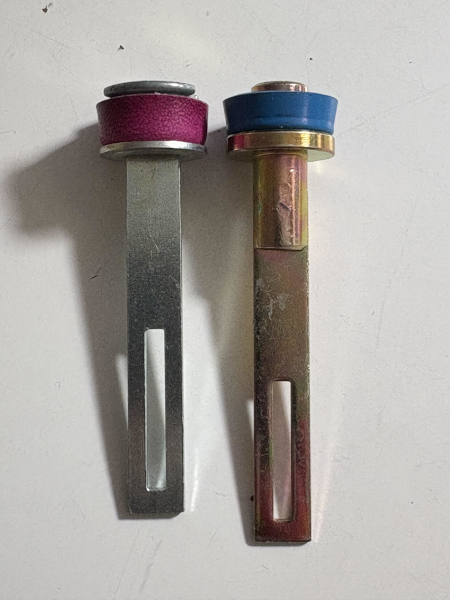
While some aftermarket leather pump designs might have incorporated a spring for specific applications, traditional and most common leather accelerator pump cups do NOT use an expander spring. They rely on the leather's natural pliability and the manufacturing process to create a tight seal within the pump bore.
Let's revise the pros and cons with that clarification in mind:
Rubber vs. Leather Accelerator Pumps: A Modern Look
When you're dealing with carburetor accelerator pumps, the material of the pump cup—rubber or leather—makes a real difference, especially with today's fuels. Since leather cups are rarely available anymore, it's good to understand why modern setups lean towards rubber.
Rubber Accelerator Pump Cups
Pros:
Widely Available: If you need a new accelerator pump, chances are it'll be rubber. They're standard in most carburetor rebuild kits, making them easy to find and replace.
Ethanol-Resistant (Modern): This is a big one. Today's quality rubber pumps are formulated to stand up to ethanol-blended gasoline. Older rubber used to swell or harden, but new compounds (often specified as "ethanol-safe" or "Viton") hold up much better.
Consistent Performance: When properly installed and made from good material, rubber pumps provide a reliable, consistent "squirt" of fuel.
Cons:
Ethanol Sensitivity (Older/Inferior Rubber): Be wary of cheap or old stock rubber pumps. They can still degrade, swell, or get hard when exposed to ethanol, leading to poor sealing and hesitation when you hit the gas.
No Expander Spring: Rubber pumps rely solely on the fit between the cup and the bore for their seal. If the bore isn't perfectly smooth or the rubber isn't precisely sized, you can get fuel bypassing the pump.
Wear and Tear: Like any rubber part, they can wear down over time, especially if the bore is rough or the pump frequently runs dry.
Potential for Sticking: If a carburetor sits for a long time and the fuel evaporates, a rubber pump can sometimes stick to the bore, risking damage when you try to accelerate again.
Leather Accelerator Pump Cups
Pros:
Excellent Seal (Initially): When new and pliable, leather creates a very effective seal due to its natural flexibility and ability to conform to the bore.
Durability (Traditional Fuels): In the days before ethanol, a well-maintained leather pump, kept pliable, could last for a very long time.
Less Sticking (Generally): Leather is typically less prone to sticking to the bore than some rubber types, though drying out can still cause issues.
Cons:
Rarity: This is the biggest hurdle. Finding new leather accelerator pumps is incredibly difficult outside of specialized vintage parts suppliers or old inventory.
Ethanol Sensitivity: This is the deal-breaker for modern use. Ethanol in gasoline is a killer for leather. It dries out the material, making it brittle, causing it to shrink, and ultimately destroying its ability to seal. Even attempts to "treat" the leather often fail against ethanol.
Maintenance: Traditionally, leather pumps needed to be kept wet or occasionally treated with oil to maintain their flexibility. This is extra work that rubber pumps don't require.
Cost (if found): If you do manage to track down new old stock leather pumps, their scarcity usually means they come with a higher price tag.
The Verdict
Considering the widespread use of ethanol in fuel today and the extreme rarity of leather pump cups, modern, ethanol-resistant rubber accelerator pumps are the only practical and reliable choice. While leather had its merits in a different era, it simply can't stand up to current fuel formulations, and finding them is a challenge in itself.
