
Introduction
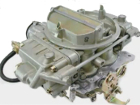
When it comes to fuel systems, carburetors have been the go-to choice for many automotive enthusiasts for decades. The Holley carburetor, in particular, has become a household name in the world of high-performance engines. In this article, we will explore what a Holley carburetor is and how it works.
What is a carburetor?
Before we dive into the Holley carburetor specifically, it is important to understand what a carburetor is and its role in the engine. Simply put, a carburetor is a device that mixes air and fuel in the correct proportion and delivers it to the engine for combustion.
History of the Holley carburetor
The Holley carburetor has a long and storied history dating back to its introduction in the early 1900s. The company was founded by George Holley, who was a machinist by trade and a pioneer in the development of carburetors for internal combustion engines.The Holley carburetor quickly gained popularity due to its high-quality construction and reliability. By the 1920s, Holley carburetors were being used in a wide range of vehicles, including early airplanes, boats, and automobiles.
In the 1960s, Holley carburetors became the go-to choice for muscle car enthusiasts and racers alike. Their ability to deliver precise fuel metering and reliable performance made them an essential component in high-performance engines.
Over the years, Holley has continued to innovate and improve its carburetors, introducing new designs and features to meet the evolving needs of engine builders and enthusiasts. Today, Holley carburetors are still a popular choice for many high-performance applications, and the company offers a wide range of carburetors for different types of engines and uses.
How does a Holley carburetor work?
The Holley carburetor is a four-barrel carburetor, meaning it has four individual barrels or venturis that supply fuel and air to the engine. The basic operation of the Holley carburetor is as follows:
- Air enters the carburetor through the air cleaner and is mixed with fuel in the float bowl.
- The fuel and air mixture is then drawn into the venturis, which creates a low-pressure area that pulls in more air and fuel.
- The mixture is then delivered to the intake manifold and into the engine for combustion.
Components of a Holley carburetor
The Holley carburetor is made up of several components, each with its own unique function. These include:
Float bowl
The float bowl is where the fuel is stored before being drawn into the engine. It contains a float that opens and closes a valve to maintain the correct fuel level in the bowl.
Metering block
The metering block controls the amount of fuel that is delivered to the engine. It contains several passages and jets that regulate the fuel flow.
Venturis
The venturis are the tubes in the carburetor that create the low-pressure area that pulls in air and fuel.
Throttle plates
The throttle plates control the amount of air that enters the carburetor and, in turn, the amount of fuel that is delivered to the engine.
Choke
The choke is used to provide extra fuel when the engine is cold and needs more fuel to start.
Tuning a Holley carburetor
Tuning a Holley carburetor can be a complex process that involves adjusting several components to achieve the desired air/fuel ratio. Some common adjustments include changing the jet sizes, adjusting the float level, and changing the power valve.
Conclusion
The Holley carburetor has a long and storied history in the world of high-performance engines. It is a reliable and efficient way to deliver fuel to the engine, and with proper tuning, can provide excellent performance gains. Whether you're a seasoned mechanic or a novice enthusiast, understanding how a Holley carburetor works is essential to getting the most out of your engine.
FAQs
1. Can a Holley carburetor be used on a street car?
Yes, Holley carburetors can be used on street cars. In fact, they are a popular choice for many street-driven vehicles.
2. What size Holley carburetor do I need for my engine?
The size of the Holley carburetor you need depends on several factors, including the size of your engine, the intended use of the vehicle, and other modifications you have made to the engine. It is best to consult with a knowledgeable mechanic or engine builder to determine the best size for your specific application.
3. How often should I clean my Holley carburetor?
It is important to regularly clean and maintain your Holley carburetor to ensure optimal performance. The frequency of cleaning depends on the amount of use and operating conditions of your vehicle. It is recommended to clean your carburetor at least once a year.
4. Can I rebuild my Holley carburetor myself?
Yes, Holley carburetors can be rebuilt by experienced mechanics or enthusiasts with the proper tools and knowledge. However, it is important to follow the manufacturer's instructions and take precautions to ensure a proper rebuild.
5. Are Holley carburetors only for high-performance engines?
While Holley carburetors are commonly used in high-performance engines, they can be used in a variety of vehicles and applications. Holley offers a wide range of carburetors for different types of engines and uses, including street, racing, and marine applications.
Conclusion
In conclusion, the Holley carburetor is a vital component in the fuel system of many high-performance engines. Understanding how it works and how to properly tune and maintain it is essential for achieving maximum performance and reliability. Whether you're a seasoned mechanic or a novice enthusiast, a Holley carburetor is a great choice for any engine build.
