

Fuel Injection: A Comprehensive Overview
1. Introduction to Fuel Injection
- Historical Overview
- Significance in Modern Engines
2. Basics of Fuel Injection Systems
- Fundamental Principles
- Key Components and Their Roles
3. Types of Fuel Injection Systems
- Direct Injection vs Port Injection
- Mechanical vs Electronic Fuel Injection
- Sequential, Batched, and Throttle Body Injection
4. Advantages of Fuel Injection
- Enhanced Fuel Efficiency
- Improved Engine Performance
- Reductions in Emissions
- Consistent and Reliable Engine Start
5. Challenges with Fuel Injection Systems
- Common Problems and Troubleshooting
- Maintenance and Upkeep
6. Evolution and Technological Advances
- Transition from Carburetors
- Advancements in Electronic Controls
7. Role of Electronics in Modern Fuel Injection
- Sensors and Feedback Systems
- Electronic Control Units (ECUs)
8. Fuel Injectors: At the Heart of the System
- Working Mechanism of Injectors
- Types and Variations
9. Calibration and Tuning of Fuel Injection Systems
- Importance of Precise Fuel-Air Mixtures
- Methods and Tools for Tuning
10. Future Trends in Fuel Injection Technology
- Integration with Hybrid Systems
- Potential for AI and Machine Learning Enhancements

Introduction to Fuel Injection
Modern engines owe much of their efficiency, power, and reduced emissions to the advent of fuel injection systems. Understanding its significance requires a deep dive into its history and the groundbreaking innovations that it brought about.
Historical Overview
Fuel injection, although commonplace now, was a revolutionary upgrade from the traditional carburetor systems. Early engines relied on these carburetors to mix fuel and air. The shift towards injection systems started as early as the 1950s in passenger vehicles, although the technology was utilized in aviation engines prior to this.
Significance in Modern Engines
Modern engines demand precision. Fuel injection systems provide that by delivering fuel directly into the combustion chamber, offering superior control over the air-fuel mixture. This not only ensures optimal combustion but also improves overall engine efficiency and performance.
Basics of Fuel Injection Systems
Before delving deeper into the complexities of fuel injection, understanding its foundational principles and components is essential.
Fundamental Principles
Fuel injection systems work on a simple principle: introducing the fuel into the combustion chamber in a mist form to ensure even distribution and efficient combustion. This contrasts with the droplet form in carbureted systems, which isn't as efficient.
Key Components and Their Roles
A fuel injection system comprises various components, including fuel injectors, fuel pumps, pressure regulators, and sensors. Each component plays a pivotal role in ensuring that the engine receives the correct amount of fuel at the right time.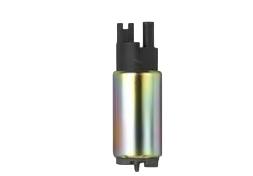
Types of Fuel Injection Systems
The fuel injection landscape is diverse, with systems designed to meet the specific needs of different engine types and applications.
Direct Injection vs Port Injection
In direct injection systems, fuel is sprayed directly into the combustion chamber, whereas in port injection, it's introduced before the intake valve. Each has its own advantages, with direct injection offering better control over the combustion process.
Mechanical vs Electronic Fuel Injection
Mechanical systems rely on mechanical components to control the fuel delivery, whereas electronic systems use sensors and ECUs for more precise control. Electronic systems are more common in modern vehicles due to their adaptability and efficiency.
Sequential, Batched, and Throttle Body Injection
These methods refer to how and when the fuel is introduced. Sequential systems inject fuel just before the intake stroke, batched systems introduce fuel to multiple cylinders at once, and throttle body systems inject fuel near the throttle body.
Advantages of Fuel Injection
Modern vehicles benefit greatly from fuel injection technologies in several ways.
Enhanced Fuel Efficiency
Better control over the fuel-air mixture ensures that every drop of fuel is utilized effectively, leading to better miles per gallon (MPG) ratings.
Improved Engine Performance
Optimal combustion leads to improved throttle response and overall better engine performance, making drives smoother and more enjoyable.
Reductions in Emissions
With complete combustion, harmful emissions are significantly reduced, helping vehicles meet stringent emission standards globally.
Consistent and Reliable Engine Start
Fuel injection systems ensure consistent starts in various conditions, whether it's the cold of winter or the heat of summer.
Challenges with Fuel Injection Systems
Like all technologies, fuel injection systems aren't without their challenges.
Common Problems and Troubleshooting
Injectors can become clogged, sensors might malfunction, and the ECU can experience issues. Knowing how to troubleshoot these problems is vital for maintaining engine health.
Maintenance and Upkeep
Regular maintenance, including cleaning the injectors and updating the ECU software, can ensure the longevity of the system.
Evolution and Technological Advances
The journey from carburetors to modern fuel injection systems is a testament to the relentless pursuit of engineering perfection.
Transition from Carburetors
Carburetors, while effective in their time, had limitations in adaptability and efficiency. The transition to fuel injection was inevitable as engines became more advanced.
Advancements in Electronic Controls
The incorporation of sophisticated electronics has transformed fuel injection from a rudimentary system to an intricate, adaptable marvel of modern engineering.
Role of Electronics in Modern Fuel Injection
Electronics play an indispensable role in the efficiency and adaptability of contemporary fuel injection systems.
Sensors and Feedback Systems
Modern systems are replete with sensors that monitor various engine parameters. These sensors feed data to the ECU, which adjusts the fuel delivery in real-time, ensuring optimal performance.
Electronic Control Units (ECUs)
The ECU is the brain of the fuel injection system, taking in data from sensors and making split-second decisions on fuel delivery to achieve the best combustion.
Fuel Injectors: At the Heart of the System
Fuel injectors are paramount to the system, determining the quality of the mist and the timing of fuel delivery.
Working Mechanism of Injectors
Injectors work by releasing fuel under high pressure through a nozzle, turning the liquid fuel into a fine mist that can mix easily with air.
Types and Variations
Different engines require different injectors. From pintle injectors to disc injectors, the design variations cater to specific engine requirements.
Calibration and Tuning of Fuel Injection Systems
For enthusiasts and professionals alike, tuning a fuel injection system can unlock an engine's full potential.
Importance of Precise Fuel-Air Mixtures
A well-calibrated system ensures that the engine gets the exact air-fuel mixture it needs under various conditions, leading to peak performance and efficiency.
Methods and Tools for Tuning
From using OBD-II scanners to specialized software, there are various tools and methods to fine-tune a fuel injection system to perfection.
Future Trends in Fuel Injection Technology
As we gaze into the horizon, fuel injection technology continues to evolve, promising even greater efficiency and adaptability.
Future Trends in Fuel Injection Technology
The automotive industry never rests on its laurels, and the realm of fuel injection is no exception. With technological advancements, changing environmental regulations, and the shift towards more sustainable mobility, fuel injection systems are poised for even more revolutionary changes.
Integration with Hybrid Systems
With the global automotive landscape increasingly leaning towards hybrid and electric vehicles, fuel injection technology will need to adapt. Hybrid vehicles, which use both a traditional internal combustion engine (ICE) and electric propulsion, will require injection systems that can seamlessly integrate with electric drivetrains. This means a greater emphasis on efficiency, reducing the 'on-time' of the ICE, and optimizing performance when it's needed.
Potential for AI and Machine Learning Enhancements
Artificial Intelligence (AI) and machine learning present exciting possibilities for the future of fuel injection. These technologies can analyze vast amounts of data from vehicle sensors in real-time, continuously optimizing the fuel injection process. This can lead to:
- Adaptive Driving: The system can adapt to a driver's style, ensuring optimal performance whether one prefers a sporty drive or an economical cruise.
- Predictive Maintenance: By understanding wear patterns and detecting anomalies, AI can predict when parts of the fuel injection system might fail or require maintenance, saving time and costs.
- Enhanced Efficiency: Continuously learning and adapting to various driving conditions and environments will allow for unparalleled fuel efficiency.
Greater Precision with Advanced Materials
The materials used in fuel injectors and other components of the system play a crucial role in their efficiency. The future might see the adoption of more advanced materials, resistant to wear and tear, and capable of finer atomization of fuel. Nanotechnology might play a role in crafting injector nozzles at the microscopic level, ensuring the perfect mist for combustion.
Focus on Alternative Fuels
As the world gradually moves away from fossil fuels, fuel injection systems will need to accommodate alternative fuels like biofuels, hydrogen, and synthetic fuels. These fuels have different properties than traditional gasoline, and the injection systems will need to adapt to ensure optimal combustion and performance.
Environmentally Conscious Developments
With stricter environmental regulations and a global push for reduced emissions, future fuel injection systems will prioritize eco-friendly innovations. This includes reducing pollutants and optimizing combustion to minimize CO2 emissions.
Conclusion
Fuel injection, from its inception to its modern manifestations, has always been at the forefront of automotive innovation. As we move into an era defined by sustainability, digital intelligence, and unprecedented technological advancements, it's clear that fuel injection systems will continue to evolve, driving the automotive world towards a cleaner, more efficient future.
