
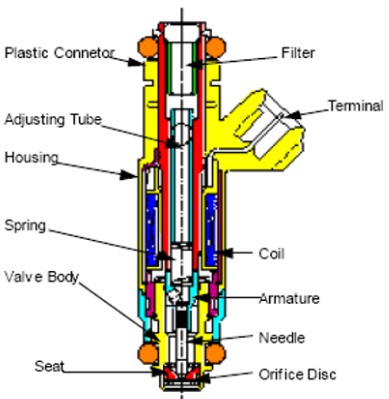
In the intricate world of modern engines, fuel injectors play a pivotal role in delivering fuel to the engine for combustion. These tiny components are responsible for ensuring that your vehicle runs efficiently, smoothly, and with minimal emissions. To appreciate the importance of fuel injectors, it's crucial to understand their intricate anatomy. In this article, we will explore the various fuel injector parts that work together to optimize your engine's performance.
- Fuel Injector Body:
The fuel injector's body is typically made of metal or high-quality plastic. This component houses the internal parts and provides structural integrity to the injector. It is designed to withstand high-pressure fuel systems and harsh operating conditions.
- Nozzle:
The nozzle is the business end of the fuel injector. It's the part that sprays fuel into the combustion chamber. Nozzles come in different designs, including pintle, multi-hole, and disc-type nozzles. The choice of nozzle design affects the fuel spray pattern and atomization, impacting combustion efficiency.
- Solenoid or Piezoelectric Actuator:
Modern fuel injectors are equipped with either a solenoid or a piezoelectric actuator to control the opening and closing of the injector's nozzle. The actuator is an essential part as it precisely regulates the amount and timing of fuel delivery, ensuring optimal engine performance and emissions control.
- Injector Filter:
To prevent contaminants and debris from entering the injector, a fine filter is installed near the fuel inlet. This filter helps maintain the injector's reliability and longevity.
- O-Rings and Seals:
O-rings and seals are crucial for maintaining a proper seal between the injector and the engine's intake or fuel rail. These components prevent fuel leaks, ensuring that fuel is delivered exclusively to the combustion chamber.
- Fuel Inlet and Outlet Ports:
Fuel injectors have inlet and outlet ports that connect to the fuel supply system and the engine. The inlet port is connected to the fuel rail, while the outlet port delivers fuel to the combustion chamber. Properly designed ports are essential for maintaining consistent fuel flow and pressure.
- Wiring Harness Connector:
The wiring harness connector links the injector to the engine control unit (ECU). This connection allows the ECU to control the injector's operation, adjusting fuel delivery based on various engine parameters like load, RPM, and throttle position.
- Heat Shield:
In high-temperature engine compartments, fuel injectors may be equipped with a heat shield to protect them from excessive heat. This shield helps maintain injector performance under challenging conditions.
- Return Spring:
The return spring is responsible for closing the injector's nozzle when the solenoid or piezoelectric actuator is not active. This spring ensures that the injector remains closed when not in use, preventing fuel leakage.
Conclusion:
Fuel injectors are marvels of modern engineering, with intricate internal components working together seamlessly to deliver the right amount of fuel at the right time to your engine's combustion chamber. Understanding the anatomy of fuel injector parts can help you appreciate the role they play in optimizing engine performance, reducing emissions, and enhancing fuel efficiency. Proper maintenance and care of these components are essential to keep your vehicle running smoothly for years to come.
