
Introduction
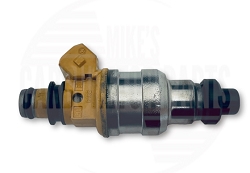
The 1979 Toyota Supra, a classic sports car known for its impressive performance and sleek design, relies on a fuel injection system to deliver fuel to the engine efficiently. Fuel injectors play a critical role in maintaining optimal engine performance and fuel economy. This guide will provide an overview of the 1979 Toyota Supra fuel injector system and offer tips for maintaining and troubleshooting potential issues.
1. The Role of Fuel Injectors in the 1979 Toyota Supra
Fuel injectors are responsible for atomizing and delivering fuel into the engine's combustion chamber in precise amounts. This ensures an optimal fuel-to-air mixture for combustion, resulting in better engine performance, improved fuel efficiency, and reduced emissions.
2. 1979 Toyota Supra Fuel Injection System
The 1979 Toyota Supra features an electronic fuel injection (EFI) system, which uses electronically controlled fuel injectors to deliver precise amounts of fuel to the engine. The EFI system offers advantages over earlier carbureted systems, such as improved fuel efficiency, better cold-start performance, and more accurate fuel delivery.
3. Common Fuel Injector Issues in the 1979 Toyota Supra
Like any vehicle, the 1979 Toyota Supra may experience fuel injector problems over time. Some common issues include:
3.1 Clogged Fuel Injectors
Contaminants in the fuel can build up and clog the fuel injectors, leading to reduced fuel flow and poor engine performance.
3.2 Leaking Injectors
Worn or damaged O-rings and seals can cause fuel leaks, reducing engine performance and fuel efficiency.
3.3 Faulty Injector Electronics
Electrical issues, such as damaged wiring or connections, can disrupt the signals controlling the fuel delivery, resulting in poor engine performance or even misfires.
4. Signs of a Failing 1979 Toyota Supra Fuel Injector
Recognizing the symptoms of a faulty fuel injector can help you address the issue before it causes more significant problems. Some signs to watch out for include:
4.1 Reduced Fuel Efficiency
A malfunctioning fuel injector can cause a decrease in fuel efficiency, leading to increased fuel consumption.
4.2 Poor Engine Performance
If your Supra's engine is struggling to accelerate or maintain speed, it could be a sign of a failing fuel injector.
4.3 Rough Idle and Engine Misfires
A faulty fuel injector can cause the engine to idle roughly or misfire, leading to reduced performance and potential engine damage.
4.4 Check Engine Light
The check engine light may illuminate if there's an issue with your fuel injectors. Be sure to address the problem promptly to avoid further damage to your engine.
5. Maintaining Your 1979 Toyota Supra Fuel Injectors
Proper maintenance is essential for the longevity and performance of your 1979 Toyota Supra fuel injectors. Follow these tips to keep your fuel injectors in optimal condition:
5.1 Regular Fuel System Cleanings
Schedule periodic fuel system cleanings to remove debris and contaminants from your fuel injectors, preventing clogs and ensuring optimal performance.
5.2 Use High-Quality Fuel and Additives
Always use high-quality fuel in your Supra to minimize contaminants that can damage your fuel injectors. Additionally, consider using fuel additives designed to clean and protect your fuel system.
5.3 Inspect Fuel Injectors Regularly
Regularly inspect your fuel injectors for signs of wear or damage. Early detection of issues can help prevent more severe problems down the road.
5.4 Replace Faulty Injectors Promptly
If you suspect that your fuel injector is failing, have it replaced promptly by a professional to avoid further damage to your engine.

6. Choosing and Replacing Fuel Injectors for Your 1979 Toyota Supra
When selecting a fuel injector for your 1979 Toyota Supra, ensure that it is compatible with your specific model and engine type. Choose a reputable brand known for producing high-quality fuel injectors, such as Bosch or Denso. If you need to replace a fuel injector, it's best to consult a professional mechanic or refer to a repair manual for your vehicle. The process typically involves removing the fuel rail, disconnecting the electrical connections, and replacing the old fuel injector with a new one. Always follow the manufacturer's recommendations for torque specifications and installation procedures.
Conclusion
By understanding the role of fuel injectors in your 1979 Toyota Supra and following proper maintenance practices, you can help ensure the longevity and performance of your vehicle. Regularly inspect and clean your fuel injectors, use high-quality fuel and additives, and address any potential issues promptly to maintain your Supra's reliability and overall performance. If you're unsure of your ability to troubleshoot or replace the fuel injectors yourself, always consult a professional mechanic for assistance. By taking care of your fuel injectors, you can enjoy a smoother, more responsive driving experience and keep your classic 1979 Toyota Supra running at its best.
