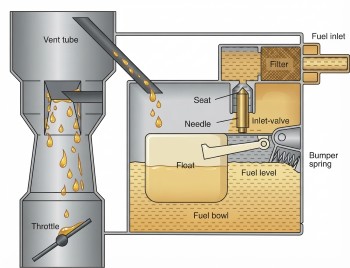
A Holley 4160 can run rich for several reasons, ranging from simple adjustments to internal component failures. Pinpointing the exact cause usually depends on when it runs rich (at idle, under cruising/part-throttle, or all the time).
1. Blown or Leaking Power Valve
-
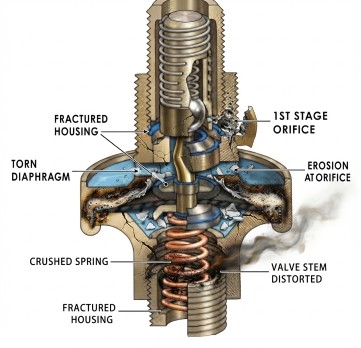
The Symptom: Runs extremely rich across the board, idles poorly, black smoke from the exhaust, and turning the idle mixture screws inward has little to no effect.
-
The Cause: If the engine experiences a backfire through the intake, the sudden pressure spike can rupture the rubber diaphragm inside the power valve. Alternatively, using an incorrect gasket or failing to torque it properly can cause fuel to bleed directly into the intake.
-
The Fix: Replace the power valve.
Make sure to match the valve rating to your engine’s idle vacuum (typically half of your idle vacuum in gear) and use the correct style gasket.
2. Excessively High Fuel Pressure
-
The Symptom: Flooding, raw fuel smells, and fuel spilling out of the bowl vents.
-
The Cause: Holley carburetors are notoriously sensitive to high fuel pressure. Most traditional needle-and-seat assemblies prefer 5 to 7 PSI.
If an aftermarket high-pressure electric fuel pump is pushing 9 to 10+ PSI, it will overpower the needle and seat, forcing the fuel bowls to overfill. -
The Fix: Install a fuel pressure regulator and set it down to around 6 PSI.
3. High Float Levels or Stuck Needle/Seat
-
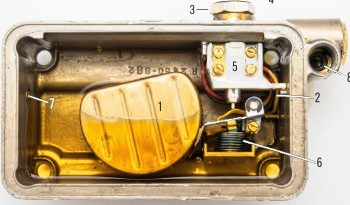
The Symptom: Fuel constantly pouring or trickling out when you pull the sight plug.
-
The Cause: The 4160 features external float adjustments on the side of the bowls (on standard models).
If the float level is set too high, or if a piece of microscopic debris or rust is trapped under the needle valve tip, the bowl won't shut off the incoming fuel. -
The Fix: Adjust the nut on top of the bowl counter-clockwise to lower the float until fuel just barely trickles out of the sight hole when the car is gently rocked.
If it won't adjust down, pull the needle and seat assembly to clean out any grit.
4. Exposed Throttle Transfer Slots (Idle Speed Set Too High)
-
The Symptom: The idle mixture screws become completely unresponsive—you can screw them all the way in, and the engine refuses to die.
-
The Cause: If the idle speed screw on the outside of the carb is cranked open too far to force a higher idle, it uncovers the "transfer slots" inside the primary bores too early. Once those slots are exposed to manifold vacuum, they start drawing fuel prematurely from the main circuit instead of letting the idle circuit handle it. NOTE: At closed throttle the transfer slots are exposed about 3/16". That is normal.
-
The Fix: Back off the idle speed screw so that the primary throttle blades are closed enough to show only a tiny "square" or dot of the transfer slot when viewed from underneath the baseplate. If you need more idle RPM, look for a vacuum leak or drill a small (1/8-inch or smaller) hole in the primary butterfly plates to let air bypass.
5. Choke Issues
-
The Symptom: Rich running condition that improves or disappears entirely once the engine is completely warmed up.
-
The Cause: If the electric or manual choke is misadjusted, stuck, or wired incorrectly, the choke plate will remain partially closed, restricting airflow and pulling a heavy choke-enrichment signal.
-
The Fix: Ensure the choke pull-off is functioning and that the choke butterfly opens completely vertical once the engine reaches operating temperature.
6. Oversized Main Jets or Power Valve Channel Restrictions (PVCR)
-
The Symptom: Rich condition specifically under acceleration or sustained cruising.
-
The Cause: If someone previously rebuilt or "tuned" the carburetor, they might have installed main jets that are too large for your specific engine displacement and elevation. (Note: Unlike the secondary side of a 4160 which often uses a metering plate with fixed holes, the primary side uses traditional removable main jets).
-
The Fix: Check the stamped number on the primary jets and drop down a couple of sizes if you are running too rich during normal driving conditions.
Hard To Start