
Possible Causes and Solutions
Watch a Video About the 8 Signs You Need to Adjust the Float
1. Fuel Vaporization (Vapor Lock)
When the fuel in the carburetor or fuel lines vaporizes due to high engine temperature, it can cause the engine to stutter and stall. This issue typically resolves itself once the engine cools down, which aligns with your observation that the Jeep won’t start for about 30 minutes.
See our page for percolation.
Solution:
- Insulate Fuel Lines: Wrap the fuel lines with heat-resistant material to keep the fuel cooler.
- Install a Heat Shield: Place a heat shield between the carburetor and the engine to reduce the heat transferred to the fuel.
- Reroute Fuel Lines: Ensure fuel lines are not running too close to hot engine components.
2. Fuel Pump Issues
If the fuel pump is failing or not delivering enough fuel when the engine is hot, it could cause the symptoms you're describing.
Solution:
- Inspect the Fuel Pump: Check for any signs of wear or damage. Ensure the pump is delivering a consistent fuel supply. Test the fuel pump for 4-4.5 lbs.
- Electric Fuel Pump: Consider installing an electric fuel pump, which can be more reliable and less prone to vapor lock. If you do this be sure to add a regulator. Electric fuel pumps pump too much pressure.
3. Carburetor Problems
The carburetor itself might have issues that become pronounced when the engine is hot. This can include float level problems, clogged jets, or a sticking needle valve.
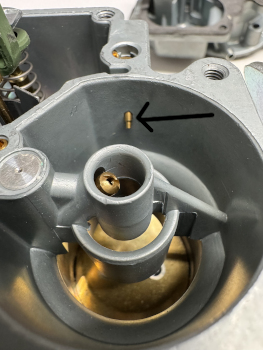
- Vents blocked - This could be another reason gas is running into the carburetor when turned off. Any vents that are blocked will cause a vacuum effect in the float bowl.
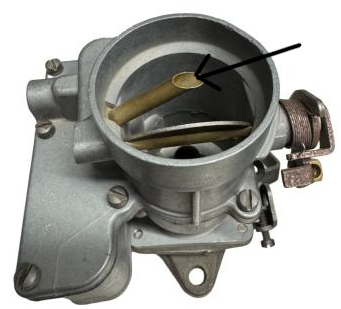
- Check the main discharge. When hot turn off the engine and look down the carburetor. Fuel should not be dripping into the venturi area from the main discharge. If it is, then it might be the discharge check ball leaking, or plugged off vent. The main discharge can be a brass tube or in the older YFs a simple hole.
- The gas cap should be a vented type. If you remove the gas cap and you hear a swoosh of air then the cap is probably not vented.

Solution:
- Carburetor Rebuild: Rebuild the carburetor, ensuring all components are clean and functioning properly. Pay special attention to the float level and needle valve.
- Fuel Filter: Replace the fuel filter to ensure there are no blockages restricting fuel flow.
4. Ignition System Issues
While less likely, it’s worth considering that ignition system components (like the coil, points, or condenser) can fail or degrade when hot, causing stalling.
Solution:
- Check Ignition Components: Inspect the ignition coil, points, condenser, and other related parts for any signs of heat-related failure. Replace any components that appear worn or faulty.
5. Fuel Quality and Type
The type of fuel you're using can also affect vapor lock. Modern fuels with ethanol can vaporize more easily than older formulations.
Solution:
- Use High-Octane Fuel: Try using a higher-octane fuel or one without ethanol, if available. These fuels are less likely to vaporize at lower temperatures.
- Fuel Additives: Consider using fuel additives designed to prevent vapor lock
6. Engine Too Tight
- One case we had was a recently rebuilt motor had too little clearance between pistons and cyl wall. When the engine got hot parts would expand and seize.
Preventive Measures
- Regular Maintenance: Ensure your fuel system and carburetor are regularly maintained and in good condition.
- Proper Ventilation: Ensure that the engine bay has good airflow to help dissipate heat.
- Cooling System Check: Ensure that your engine’s cooling system is functioning correctly to prevent excessive heat buildup.
Next Steps
- Insulate and Reroute Fuel Lines: Start by insulating and rerouting the fuel lines away from hot engine components.
- Inspect the Carburetor and Fuel Pump: Perform a thorough inspection of the carburetor and fuel pump. Rebuild or replace components as necessary.
- Test with Different Fuel: Try using a different type or higher quality of fuel to see if the problem persists.
