
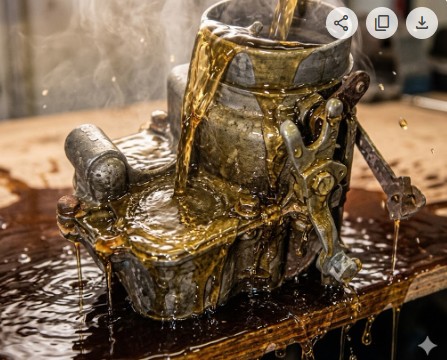
If your Holley 847 carburetor is flooding, it means too much fuel is entering the carburetor or engine, causing wet spark plugs, rough running, or fuel spilling from the carb. Here are the most common causes for flooding on a Holley 847 and how to fix them:
Common Causes of Holley 847 Flooding
-
Incorrect Float Level
-
If the float level is set too high, the needle valve won’t close properly, allowing fuel to keep flowing.
-
Fix: Adjust the float drop/level to the correct specification (around 5/8 inch drop for the 847). See your manual or the adjustment guide.
-
-
Worn or Sticking Needle and Seat
-
The needle valve and seat control fuel flow into the bowl. If they’re worn, dirty, or stuck open, fuel keeps flowing. Someone may have put too much pressure on the needle scoring it.
-
Fix: Inspect and clean or replace the needle and seat assembly.
-
-
Float Damage or Fuel Inside Float
-
A cracked or fuel-logged float will not rise properly and can cause flooding.
-
Fix: Replace the float if damaged or filled with fuel.
-
-
Dirty or Bent Float Hinge
-
If the float hinge or shaft is bent or dirty, the float may not move freely to shut off fuel flow.
-
Fix: Clean, inspect, and straighten or replace parts if necessary.
-
-
Fuel Pressure Too High
-
Excessive fuel pressure can overwhelm the needle valve and cause flooding.
-
Fix: Check fuel pressure; it should be around 4-4.5 PSI for most Holley 2-barrel carbs. Use a fuel pressure regulator if needed.
-
-
Damaged or Missing Float Bowl Gasket
-
If the gasket leaks, it might seem like flooding or fuel leak around the carburetor.
-
Fix: Replace the gasket with a good-quality one.
-
-
Choke Not Operating Correctly
-
A stuck choke can cause rich fuel conditions leading to flooding.
-
Fix: Check choke linkage and operation.
-
Quick Troubleshooting Checklist for Holley 847 Flooding:
-
Check and adjust float level.
-
Inspect needle and seat for wear or debris. Most likely cause.
-
Verify float integrity (no fuel inside, not cracked).
-
Ensure float moves freely on shaft.
-
Measure fuel pressure and adjust if too high.
-
Inspect and replace bowl gasket if leaking.
-
Confirm choke operation is smooth.
