How the 2 Jet Float Works

Rochester 2 Jet Float

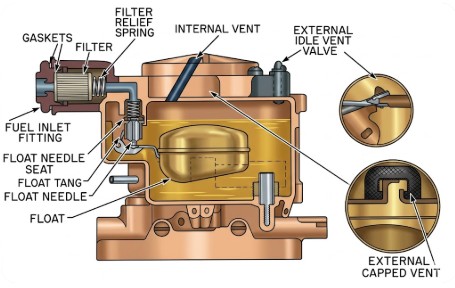
The carburetor float system controls the fuel level in the carburetor bowl. Fuel level is very important, because it must be maintained to give proper carburetor metering throughout all ranges of engine operation. If the fuel level is too high in the float bowl, problems such as rich mixtures, fuel spillage from the main discharge nozzles on turns, and engine loading can result. If the fuel level is lower than the specified setting it can cause lean mixtures, hesitation on acceleration, engine surge plus engine cut-out during heavy fuel demands.

The float system operates as follows:

Fuel from the engine fuel pump is forced through the fuel inlet screen or filter, and on through the float needle seat, past the float needle, into the float bowl. Fuel flow continues until the fuel raises the float pontoon to a position where it forces the float needle against the float needle seat and shuts off fuel flow.
 

As fuel is used from the carburetor bowl during engine operation, the float again drops downward moving the float needle off its seat, allowing more fuel to flow into the float bowl, thereby, keeping the fuel level consistent.

A float drop tang located at the rear of the float arm prevents the float from moving too far downward. The maximum float drop must be maintained so that the float assembly will drop sufficiently to allow maximum fuel flow under heavy engine fuel

demands. Some models use a float needle pull clip which is attached to the float arm and connected to the float needle valve. The purpose of the pull clip is to pull the float needle off its seat, should it stick closed due to dirt or gum formations.


Rochester 2 Jet Float Adjustment (includes Mercarb)
Rochester 2 Jet Float Level
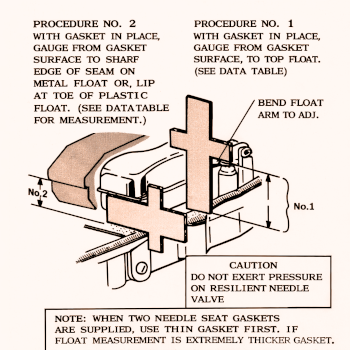
Float Level Adjustment

  • Bowl gasket in place.
  • Plastic float - measure distance from gasket tolip of free end of float.
  • Brass float - measure distance from gasket to sharp edge of float seam at free end.
  • We set the float to be level, which works great for us.

2 Types of 2 jet Float Adjustment
2 Jet Float Adjustment

Rochester 2 Jet Float Drop
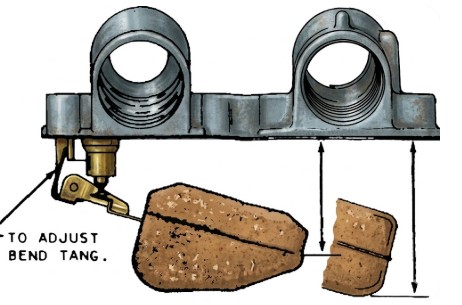
Float Drop Adjustment

With float hanging freely, measure from gasket surface to lip of plastic float, or bottom of metal float.

Check the float drop to make sure the needle doesn't fall out, or gets stuck to the side.


Does Every 2 Jet Need The Float to Needle Clip?

The Rochester 2-Jet Carburetor: Not a Universal Fit for the Needle-to-Float Clip

While many Rochester 2-Jet carburetors utilize a small clip to connect the float to the fuel inlet needle, it is not a universal component across all variations of this popular carburetor. Whether a specific 2-Jet model requires this clip depends on its design and the type of needle and seat assembly it uses.

The primary purpose of the needle-to-float clip is to ensure that as the float drops with the fuel level in the carburetor bowl, it actively pulls the needle out of its seat. This action is particularly beneficial in preventing the needle from sticking in the closed position, a problem that could arise from old fuel deposits or varnish, leading to fuel starvation.

However, many Rochester 2-Jet carburetors were designed to function perfectly without this clip. In these designs, the weight of the needle itself and the pressure from the incoming fuel are sufficient to allow the needle to drop and open the fuel inlet as the float lowers.

Key factors that determine the necessity of a needle-to-float clip include:

  • Needle and Seat Design: Some needle and seat assemblies are designed specifically to be used with a clip, featuring a small groove or hook on the needle for the clip to attach. Others have a smooth top and are intended for a "free-floating" operation where the float tang simply rests on top of the needle.
  • Rebuild Kits: Carburetor rebuild kits for the Rochester 2-Jet often include a needle-to-float clip as a standard component, even for applications that may not have originally required one. This is to provide a comprehensive kit that covers various sub-models. Mechanics will then have the option to install it or not, based on the original configuration or their professional judgment.
  • Fuel Formulations: With modern gasoline formulations being less prone to creating the sticky residues that were common in the past, the issue of a stuck needle is less frequent. This has led some mechanics to consider the clip less critical than it may have been decades ago.

In conclusion, while a needle-to-float clip can be a helpful component in preventing a stuck fuel needle, it is not a mandatory part for every Rochester 2-Jet carburetor. The decision to use one often comes down to the specific design of the carburetor's float and needle assembly and the preference of the person rebuilding it. When rebuilding a Rochester 2-Jet, it is always best to carefully observe the original configuration during disassembly or consult a model-specific service manual to determine if a clip was part of the original design.

Rochester 2 Jet Carburetor Parts

Rochester 2 Jet Float Level

For float level below 1" use the type 1 illustration, otherwise use the type 2 illustration.

VEHICLE
YEAR
APPLICATION
PRIMARY FLOAT LEVEL
PRIMARY FLOAT DROP
BUICK
1961
LESABRE V8
1 11/16
1 29/32
BUICK
1961-63
SPECIAL ALL V8
21/32
1 29/32
BUICK
1962
LASABRE
23/32
1 29/32
BUICK
1962
SPECIAL V6
21/32
1 29/32
BUICK
1963
LASABRE
21/32
1 29/32
BUICK
1963
SPECIAL V6
21/32
1 29/32
BUICK
1964
SPECIAL, LASABRE
1/2
1 29/32
BUICK
1965
SPECIAL, LASABRE
19/32
1 29/32
BUICK
1966
225 V6
1/2
1 27/32
BUICK
1966
300, 340 W/BRASS FLOAT
1/2
1 27/32
BUICK
1967
225 V6
1/2
1 9/32
BUICK
1967
300, 340
15/32
1 3/16
BUICK
1968
350
15/32
1 9/32
BUICK
1969
350
15/32
1 7/32
CADILLAC
1958
ALL
23/32
1 29/32
CADILLAC
1959-60
3X2 CENTER
15/16
1 29/32
CADILLAC
1959-60
3X2 ENDS
23/32
1 29/32
CHECKER
1963
2GC
5/8
1 29/32
CHECKER
1964-66
V8 2GV, 2G
3/4
1 3/4
CHECKER
1967
V8 2GV
3/4
1 3/4
CHECKER
1968
307
3/4
1 1/8
CHECKER
1969
327, 350
3/4
1 3/4
CHEVROLET
1955
ALL
1 5/32
1 29/32
CHEVROLET
1956-57
ALL
1 1/4
1 29/32
CHEVROLET
1958
1 9/32
1 29/32
CHEVROLET
1958
3X2 CENTER
1 1/4
1 29/32
CHEVROLET
1958
3X2 ENDS
1 5/16
1 29/32
CHEVROLET
1959-61
3X2 CENTER
1 5/16
1 29/32
CHEVROLET
1959-61
3X2 ENDS
1 13/32
1 29/32
CHEVROLET
1959-62
1 11/32
1 29/32
CHEVROLET
1963
3/4
1 29/32
CHEVROLET
1964-67
CHEVELLE, CHEVY II V8
3/4
1 3/4
CHEVROLET
1967
CAMARO 327
3/4
1 3/4
CHEVROLET
1968
307, 327
3/4
1 3/4
CHEVROLET
1969
CAMARO 307
27/32
1 3/4
CHEVROLET
1969
CAMARO 350
3/4
1 3/4
CHEVROLET
1969
CHEVELLE, CHEVY II 307
27/32
1 3/4
CHEVROLET
1969
CHEVELLE, CHEVY II, 327, 350, 396
3/4
1 3/4
CHEVROLET
1967
BEAUMONT 283
3/4
1 3/4
CHEVROLET
1968
BEAUMONT, CHEVELLE 307 CANADA
3/4
1 3/4
CHEVROLET
1969
CAMARO 307
27/32
1 3/4
CHEVROLET
1969
CAMARO 350
3/4
1 3/4
CHEVROLET TRUCK
1955
ALL
1 5/32
1 29/32
CHEVROLET TRUCK
1956-57
ALL
1 1/4
1 29/32
CHEVROLET TRUCK
1958
ALL
1 5/16
1 29/32
CHEVROLET TRUCK
1959-62
1 3/8
1 29/32
CHEVROLET TRUCK
1959-67
W/VAC GOV
3/4
1 29/32
CHEVROLET TRUCK
1963-66
3/4
1 29/32
CHEVROLET TRUCK
1966-67
366 W/GOV
5/8
1 29/32
CHEVROLET TRUCK
1968
307, 327 W/GOV ST
3/4
1 3/4
CHEVROLET TRUCK
1969
G10 307
37/32
1 3/4
CHEVROLET TRUCK
1969
350
3/4
1 3/4
DIVCO
1963
226 6 CYL
5/8
1 29/32
GMC
1968
307, 327
3/4
1 3/4
GMC
1969
307
27/32
1 3/4
GMC
1969
350
3/4
1/3/4
JEEP
1966
7026086
21/32
1 27/32
JEEP
1966-67
225
1 5/32
1 7/8
JEEP
1968
350
1 11/32
1 3/4
OLDSMOBILE
1955
ALL
1 9/32
1 29/32
OLDSMOBILE
1956
ALL
1 7/16
2
OLDSMOBILE
1957
3X2 CENTER
1 9/32
1 29/32
OLDSMOBILE
1957
3X2 ENDS
1 5/16
1 29/32
OLDSMOBILE
1958
ALL
1 3/8
1 29/32
OLDSMOBILE
1959-62
EXC F85
1959-61 11/16, 1961 CHANGE B 1/2, 1962 1/2, 1962 CHANGE, 13/32
1 13/16
OLDSMOBILE
1961-62
F85
1961 EARLY 1962 9/16, 1962-LATE 25/32
1 3/16
OLDSMOBILE
1963
EXC F85
13/32
1 13/16
OLDSMOBILE
1963
F85
25/32
1 13/16
OLDSMOBILE
1964
F85 STD. JETSTAR
11/16
1 13/16
OLDSMOBILE
1964
JETSTAR W/A/C
17/32
1 13/16
OLDSMOBILE
1964
DYNAMIC 88 394
19/32
1 13/16
OLDSMOBILE
1964
DYNAMIC 88 394 W/A/C
7/16
1 13/16
OLDSMOBILE
1965
JETSTAR 88 AT, A/C
19/32
1 7/8
OLDSMOBILE
1965
DYNAMIC 425
3/4
1 7/8
OLDSMOBILE
1965
DYNAMIC A/C
19/32
1 7/8
OLDSMOBILE
1965-66
F85 & JETSTAR 88 330
3/4
1 7/8
OLDSMOBILE
1966
DYNAMIC & DELTA 425
3/4
1 7/8
OLDSMOBILE
1966
DYNAMIC & DELTA 425 W/AC & A.I.R.
19/32
1 7/8
OLDSMOBILE
1966
3x2 ENDS
3/4
1 3/4
OLDSMOBILE
1966
3X2 CENTER
5/8
1 3/4
OLDSMOBILE
1967
330
19/32
1 9/16
OLDSMOBILE
1967
425 PRE HEAT CARB W/AC
19/32
1 9/16
OLDSMOBILE
1967
425 W/AC & A.I.R.
1/2
1 9/16
OLDSMOBILE
1967
425 WO/AC W/A.I.R.
19/32
1 9/16
OLDSMOBILE
1967
425 C.C.S
9/16
1 9/16
OLDSMOBILE
1968
F85 350, 400, 455
9/16
1 3/8
OLDSMOBILE
1969
350, 400, 455
9/16
1 3/8
OUTBOARD MARINE
300
19/32
1 29/32
PALMER MARINE
1960
2G
5/8
1 29/32
PONTIAC
1955-57
1 1/4
1 29/32
PONTIAC
1955-57
CANADA
1 1/4
1 29/32
PONTIAC
1957
3X2 ENDS
1 5/16
1 29/32
PONTIAC
1957
3X2 CENTER
1 5/16
1 29/32
PONTIAC
1958
CANADA 70
1 9/32
1 29/32
PONTIAC
1958
EXC CANADA
11/16
1 29/32
PONTIAC
1958
3X2 ENDS
1 13/32
1 29/32
PONTIAC
1958
3X2 CENTER
1 9/32
1 29/32
PONTIAC
1959
5/8
1 29/32
PONTIAC
1959
420 1 7/16 SMALL BORE
11/16
1 29/32
PONTIAC
1959-63
3X2 ENDS
23/32
1 3/4
PONTIAC
1959
3X2 CENTER
23/32
1 3/4
PONTIAC
1959-62
CANADA 70
1 11/32
1 29/32
PONTIAC
1960
3X2 CENTER
23/32
1 3/4
PONTIAC
1960
5/8
1 3/4
PONTIAC
1960-62
420
11/16
1 3/4
PONTIAC
1961
TEMPEST V8
21/32
1 29/32
PONTIAC
1961-63
3X2 CENTER
23/32
1 3/4
PONTIAC
1961-64
5/8
1 3/4
PONTIAC
1963
CANADA 70
3/4
1 29/32
PONTIAC
1963-64
ECONOMY ENG
11/16
1 3/4
PONTIAC
1963-64
TEMPEST V8
5/8
1 3/4
PONTIAC
1964-65
3X2 CENTER
11/16
1 3/4
PONTIAC
1964-66
3X2 ENDS
21/32
1 3/4
PONTIAC
1964-66
CANADA 283
3/4
1 3/4
PONTIAC
1964-67
ACADIAN 283
3/4
1 3/4
PONTIAC
1965-66
EXC 3X2
5/8
1 3/4
PONTIAC
1965-66
TEMPEST V8
19/32
1 3/4
PONTIAC
1966
3X2 CENTER
19/32
1 3/4
PONTIAC
1967
326, 400
9/16
1 9/16
PONTIAC
1967
TEMPEST 326, 400
9/16
1 9/16
PONTIAC
1967-68
CANADA 283, 307, 327
3/4
1 3/4
PONTIAC
1968-69
400
9/16
1 3/4
PONTIAC
1968-69
TEMPEST & FIREBIRD 350, 400
9/16
1 3/4
STUDEBAKER
1965
283
3/4
1 1/8
STUDEBAKER
1966
283
1 3/8
1 29/32
UNIVERSAL MOTORS
1963
198, 225 V6
11/16
1 29/32
Can't find what you need? Contact Us
TOP
Logo