
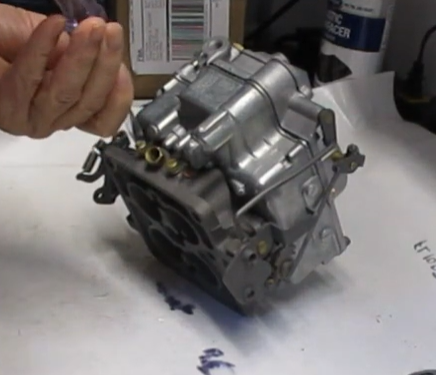
Why Idle Mixture Screws Aren't Affecting RPM
When adjusting the idle mixture screws on a carburetor doesn't result in a change in engine RPM, it typically indicates an underlying issue. Here are some potential causes:
1. Throttle Plates Open Too Far:
- Symptom: The idle mixture screws control the air-fuel mixture at idle. If the throttle plates are open too far, the engine isn't operating in the idle circuit, and adjusting the idle mixture screws will have little to no effect.
- Solution: Adjust the idle speed screw to close the throttle plates slightly.
2. Clogged Idle Jets or Passages:
- Symptom: If the idle jets or the passages leading to them are clogged, the idle mixture screws won't have a significant impact on the air-fuel mixture.
- Solution: Thoroughly clean the carburetor, paying special attention to the idle jets and passages.

3. Vacuum Leak:
- Symptom: A vacuum leak can disrupt the air-fuel mixture, making it difficult to adjust the idle with the mixture screws.
- Solution: Use a vacuum gauge or smoke test to locate and repair any vacuum leaks.
4. Mechanical Issues:
- Symptom: Other engine problems, such as ignition issues or compression problems, can mask the effects of idle mixture adjustments.
- Solution: Address any underlying mechanical issues before tuning the carburetor.
5. Incorrect Idle Mixture Screw:
- Symptom: While less common, it's possible you're adjusting the wrong screw.
- Solution: Verify that you're turning the correct screws.
Additional Tips:
- Engine Temperature: Ensure the engine is warmed up to operating temperature before adjusting the idle mixture screws.
- Vacuum Gauge: Using a vacuum gauge can help determine if the engine is running lean or rich.
