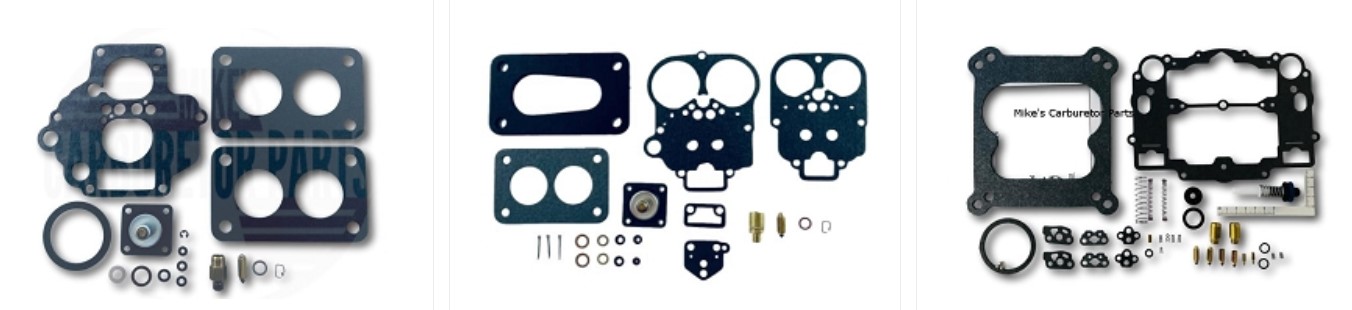
The Weber marine AFB (Aluminum Four Barrel) carburetor is a popular aftermarket carburetor for marine engines. It is designed for efficient fuel delivery, reliable performance, and ease of tuning. One of the essential components of the carburetor is the idle circuit, which is responsible for providing the correct air-fuel mixture when the engine is idling or operating at low speeds.
The idle circuit in a Weber marine AFB carburetor consists of several components:
-
Idle mixture screws: These screws are located on the sides of the carburetor and are used to adjust the air-fuel mixture during idle. Turning the screws clockwise leans the mixture, while turning them counterclockwise richens it.
-
Idle air bleed: The idle air bleed is a small hole located near the top of the carburetor venturi. It allows air to mix with the fuel from the idle circuit, helping to atomize the fuel and create a stable idle.
-
Idle fuel jet: The idle fuel jet is a small, removable brass jet located in the carburetor metering block. It controls the amount of fuel delivered to the idle circuit. The size of the jet can be changed to fine-tune the fuel delivery at idle.
-
Idle discharge port: The idle discharge port is a small hole located near the throttle plates. When the throttle plates are closed or slightly open, the fuel mixture from the idle circuit is drawn through the discharge port and into the engine.
-
Idle transfer slot: The idle transfer slot is a small opening located just above the throttle plates. When the throttle is opened slightly, the transfer slot allows additional fuel to be drawn into the engine, transitioning from the idle circuit to the main circuit.
To properly tune the idle circuit on a Weber marine AFB carburetor, follow these steps:
- Start the engine and allow it to warm up to operating temperature.
- Adjust the idle speed screw to achieve the desired idle RPM.
- Turn the idle mixture screws clockwise until the engine RPM begins to drop, then turn them counterclockwise 1/4 to 1/2 turn. This should provide a slightly rich idle mixture.
- Re-adjust the idle speed screw if necessary.
- Check for a smooth transition from idle to off-idle by slowly opening the throttle. If there is a hesitation or stumble just off idle (maybe around 1100 rpm), try adjusting the idle mixture screws.
Always make sure to perform tuning and adjustments with proper safety precautions and according to the manufacturer's recommendations.