
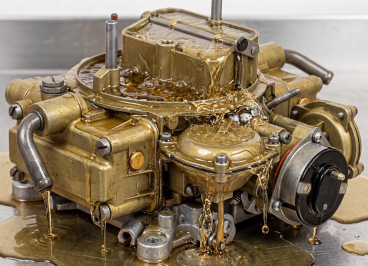
Troubleshooting Holley 4180 4 Barrel Carburetor Flooding
Dealing with a flooded Holley 4180 4 barrel carburetor can be frustrating. When your carburetor floods, it means there is an excessive amount of fuel entering the engine, leading to poor performance and drivability issues. In this guide, we will explore the potential causes of carburetor flooding and provide effective troubleshooting tips to help you overcome this problem.
Understanding Carburetor Flooding
Carburetor flooding occurs when the fuel-to-air ratio becomes imbalanced, resulting in too much fuel being delivered to the engine. This excess fuel can't be burned efficiently, leading to rough idling, black smoke from the exhaust, gas flowing over the top, and overall decreased engine performance.
Causes of Carburetor Flooding
Several factors can contribute to the flooding of your Holley 4180 carburetor:
-
Stuck or Faulty Needle Valve: The needle valve is responsible for regulating the fuel flow into the carburetor. If it becomes stuck open or fails to close properly, fuel will continuously flow into the engine, causing flooding.

-
High Fuel Pressure: A fuel pump delivering fuel at a pressure higher than the carburetor's recommended level can overwhelm the float and flood the carburetor. 4.5 - 5 lbs.
-
Damaged or Incorrect Float Level: If the float level is set too high or becomes damaged, the float may not be able to control the fuel flow, resulting in flooding.
Test the float: Nitrophyl floats need to be weighed (15 grams), brass floats immersed in hot water to look for bubbles.
-
Dirty or Clogged Fuel Inlet: Dirt or debris in the fuel inlet can obstruct the fuel flow, leading to an imbalance in the fuel-to-air mixture.
Troubleshooting and Solutions
Here are some steps you can take to troubleshoot and resolve the flooding issue in your Holley 4180 carburetor:
1. Check the Needle Valve:
- Inspect the needle valve for any signs of wear, damage, or debris.
- Ensure the needle valve moves freely and is not stuck in the open position.
- Clean the needle valve and its seat using carburetor cleaner to remove any obstructions.
- CAUTION! Never put pressure on the needle when adjusting the float. This will cause the needle to leak.
2. Verify the Fuel Pressure:
- Check the fuel pressure using a fuel pressure gauge. Ensure it matches the manufacturer's recommended specifications.
- If the pressure is too high, consider installing a fuel pressure regulator to regulate the flow.
3. Adjust the Float Level:
- Adjust the float level according to the manufacturer's guidelines to ensure it controls the fuel flow effectively.
- Inspect the float for any damage or leaks and replace if necessary.
4. Clean the Fuel Inlet:
- Disassemble the fuel inlet and clean it thoroughly to remove any dirt or debris that may be causing blockages.
5. Perform Regular Maintenance:
- Schedule regular maintenance for your Holley 4180 carburetor, including cleaning and inspection, to prevent potential flooding issues.
Preventive Tips to Avoid Flooding:
- Use high-quality fuel to minimize the risk of impurities clogging the carburetor.
- Keep the carburetor and fuel system clean by using fuel additives or cleaners as recommended by the manufacturer.
- Avoid overusing the choke during startup, as it can lead to excessive fuel delivery and flooding.
By following these troubleshooting steps and preventive measures, you can effectively address carburetor flooding issues in your Holley 4180 4 barrel carburetor. If the problem persists or you are unsure about the troubleshooting process, seeking the assistance of a professional mechanic is always a wise decision. Keeping your carburetor in top-notch condition will ensure smooth engine performance and an enjoyable driving experience.
