
Adjusting the Hitachi Carburetor Float Level
Adjusting the float level on a Hitachi carburetor is an essential step in ensuring that the carburetor functions correctly. The float level determines the amount of fuel present in the float bowl and consequently affects the mixture of air and fuel that is supplied to the engine. If the float level is too high or too low, it can lead to various performance issues, including poor throttle response, flooding, or even engine stalling.
Here's a general guideline on how to adjust the float level on a Hitachi carburetor:
Tools You'll Need:
- Screwdrivers (flat-head and/or Phillips depending on your carb model)
- Measuring gauge or ruler
- Needle nose pliers
- Carburetor cleaner
Steps:
-
Preparation: Make sure the engine is off and cooled down. Remove the air cleaner assembly to access the carburetor.
-
Remove the Float Bowl:
- Locate the float bowl on the bottom of the carburetor.
- Remove the screws or bolts holding the float bowl in place.
- Carefully take off the float bowl, and inspect it for any signs of dirt or debris. Clean it out if necessary using the carburetor cleaner.

-
Check the Current Float Level:
- With the float bowl removed, gently push the float upwards until the inlet needle valve is fully seated.
- Using the measuring gauge or ruler, measure the distance from the top of the float (the part not touching the fuel) to the carburetor body. This measurement is your float level.
-
Adjust the Float Level:
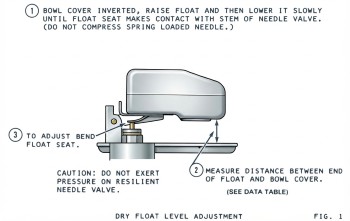
- The float level specification can vary based on the specific model of the Hitachi carburetor. Refer to your vehicle's service manual or the carburetor's specifications to find the correct float level measurement.
- If the float level is incorrect, you'll need to bend the small metal tab (or tang) on the float arm that comes in contact with the inlet needle valve. Gently bending this tab up will lower the float level, and bending it down will raise the float level.
- Re-measure after making adjustments to ensure you've achieved the desired float level.
- Be careful you do not put any pressure on the needle. Doing so will cause your carburetor to flood.
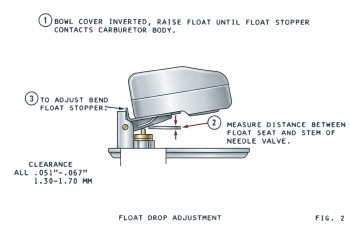
- Check the float drop:
-
Reassemble the Carburetor:
- Make sure the float moves freely without sticking.
- Replace the float bowl gasket if it's damaged or worn out.
- Reinstall the float bowl onto the carburetor and secure it with the screws or bolts.
- Reinstall the air cleaner assembly.
-
Test the Engine:
- Start the engine and allow it to reach operating temperature.
- Check for any signs of flooding, fuel leaks, or poor performance. If issues persist, re-check the float level or consult a mechanic.
It's important to adjust the float level with precision to ensure optimal performance. Always refer to a service manual for model-specific instructions and measurements. If you're unsure about the process, it's best to consult with a professional mechanic or someone experienced with carburetors.
Hitachi Carburetor Kits


