
Why Your Carbureted Car Is Hard to Start – Troubleshooting Guide for Classic Engines
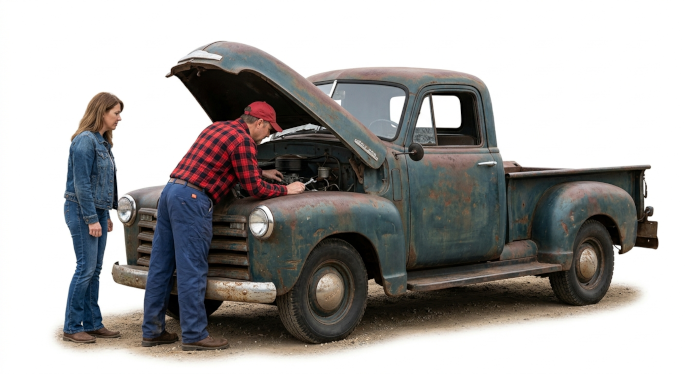
If your carbureted car is giving you a hard time starting—especially after sitting or during cold mornings—you’re not alone. Classic vehicles with carburetors often develop starting issues over time due to mechanical wear, fuel quality changes, or improper settings. Fortunately, most of these issues can be diagnosed and fixed with a basic understanding of how a carburetor works and a methodical approach.
Common Reasons a Carbureted Engine Is Hard to Start
1. Choke Not Functioning Correctly
The choke is crucial for cold starts. When cold, the choke should close to enrich the air/fuel mixture. If it doesn’t fully close, or stays closed too long, you’ll have trouble starting.
What to check:
-
Electric choke coil: Is it receiving 12 volts with ignition on?
-
Choke plate: Does it close when cold and open as the engine warms?
-
Linkages: Any binding or missing springs?
2. Fuel Evaporation or Drainback
Older carburetors can suffer from fuel bowl evaporation, especially in hot climates. If the float bowl is dry, the engine won’t start until fuel is pumped back in.
What to check:
-
Let the car sit overnight. Remove the air cleaner and look for fuel in the accelerator pump nozzle when you open the throttle. No squirt = empty bowl.
-
Leaking fuel line check valves or a bad mechanical fuel pump could also be the culprit.
3. Weak or Non-Functional Accelerator Pump
The accelerator pump gives a quick shot of fuel when you touch the throttle. If this circuit is dry, leaking, or the pump cup is cracked, you won’t get that initial enrichment needed to fire up.
What to check:
-
Open throttle and look for a fuel squirt from the nozzles.
-
Replace the accelerator pump or rebuild the carb if it’s not working.
4. Incorrect Idle Mixture or Idle Speed Settings
Poorly adjusted idle mixture screws or too-low idle speed can make warm starts tough. The engine may crank but not catch.
What to check:
-
Turn mixture screws in gently, then out 1½ turns as a baseline.
-
Ensure idle speed is set per the factory manual, typically 600–800 RPM.
5. Vacuum Leaks
Leaks at the intake manifold, carb base gasket, or vacuum lines dilute the mixture, making the engine harder to start and causing rough idle.
What to check:
-
Spray carb cleaner around gaskets and hoses while cranking or idling; a change in RPM indicates a leak.
-
Replace brittle vacuum hoses and old gaskets.
6. Ignition System Problems
Hard starting isn’t always fuel-related. Weak spark, bad timing, or faulty plugs can mimic carburetor issues.
What to check:
-
Are the spark plugs clean and gapped properly?
-
Is your distributor advancing correctly?
-
Do you have strong spark at all cylinders?
7. Stale or Ethanol-Contaminated Fuel
Modern fuel degrades quickly and attracts water. If your car sits for weeks or months, the fuel may be the problem.
What to check:
-
Drain the tank and lines if the gas smells sour.
-
Use ethanol-resistant components and consider fuel stabilizer for storage.
Starting Tip for Cold Mornings
-
Pump the gas pedal once or twice to set the choke and prime the system.
-
Crank the engine. If it doesn't catch, don’t keep pumping or you risk flooding it.
-
If flooded, hold the pedal to the floor and crank to clear it out.
Conclusion
Hard starting in carbureted cars is usually caused by a combination of choke issues, fuel delivery problems, and ignition faults. The good news is most of these are relatively easy to inspect and fix if you know what to look for. Regular maintenance, ethanol-resistant rebuild kits, and correct adjustments will keep your classic running reliably every time you turn the key.
