
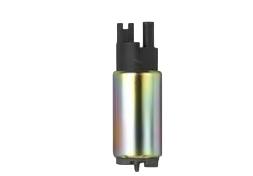
Testing the fuel pump of a Geo (or any other vehicle, for that matter) is essential for diagnosing problems related to fuel delivery. Here's how you can test the fuel pump on a Geo:
1. Safety First:
- Make sure the car is on a level surface.
- Wear safety glasses and gloves.
2. Check Fuel Pump Relay: Before checking the fuel pump, ensure that the fuel pump relay is working.
- Locate the fuel pump relay in the fuse and relay box.
- Swap the relay with another one of the same type from the fuse box. If the vehicle starts after this, the relay was likely the problem.
3. Listen for the Fuel Pump:
- Turn the ignition to the 'ON' position without starting the engine.
- Listen closely to the fuel tank area. You should hear a buzzing or humming noise for a few seconds. This is the fuel pump priming the system. If you don't hear anything, the pump might not be working.
4. Test Fuel Pressure: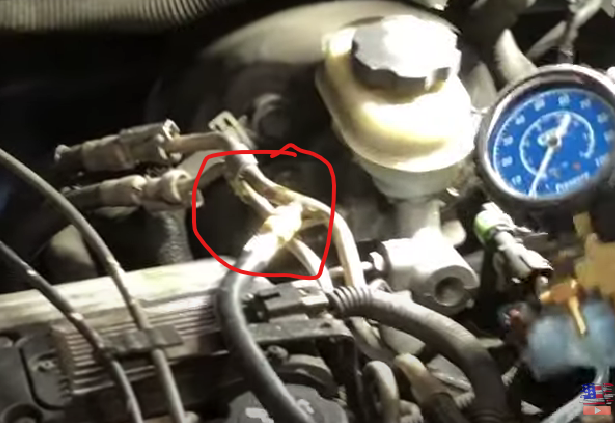
- Obtain a fuel pressure gauge. This is the most accurate way to determine if the pump is delivering the right amount of fuel.
- Locate the fuel rail on the engine; it should have a test port (looks like a tire valve).
- Connect the fuel pressure gauge to the test port.
- Turn the ignition on (without starting the engine) and note the pressure reading.
- Compare the pressure reading to the specifications for your particular Geo model. If the pressure is below the specification, the pump might be faulty or there may be a restriction in the fuel line.
Fuel pressure with key on, engine off. 1997 and older: 38-44 psi, 1998-2002: 44-50 psi.

5. Check Electrical Connections:
- Locate the electrical connection to the fuel pump (usually at the fuel tank).
- Disconnect the connector and use a multimeter to check for power at the connector when the ignition is turned on. If there's no power, there could be an issue with the wiring or relay.
6. Direct Test: If you're still unsure about the fuel pump's condition, you can test it directly:
- Disconnect the fuel pump connector.
- Using jumper wires, connect the fuel pump directly to the battery. The pump should run and you should be able to hear it. If it doesn’t, the pump is likely bad.
7. Visual Inspection:
- If you suspect the pump is bad, you may need to remove it and check for any visible damage, blockages, or other issues.
If after these tests you determine the fuel pump is faulty, it's advisable to replace it. Always check the car's service manual for any specific procedures or specifications related to your particular model.
8. Fuel Filter Inspection:

- Often, a clogged fuel filter can mimic symptoms of a faulty fuel pump. It's a good practice to replace the fuel filter when replacing the fuel pump.
- Locate the fuel filter, typically found along the fuel line.
- Check the filter for any signs of clogging or damage. If it's been a long time since it was replaced, consider replacing it as a preventative measure.
9. Ground Check:
- Ensure that the fuel pump's ground is secure. A bad ground can prevent the pump from working properly.
- Clean any rust or corrosion from the grounding point and ensure the wire is securely attached.
10. Voltage Drop Test:
- A voltage drop test can identify resistance in the electrical circuits feeding the fuel pump.
- Using a multimeter, measure the voltage at the fuel pump connector when the ignition is turned on. Subtract this reading from the battery voltage. A significant voltage drop (more than 0.5 volts) suggests a problem in the circuit, such as a corroded connector or damaged wire.
11. Fuel Tank Inspection:
- Debris or sediment in the fuel tank can get sucked into the fuel pump, causing wear or damage.
- If you've removed the pump, inspect the inside of the tank for any foreign materials or sediment. Clean the tank if necessary.
12. Replacement:
- If you've determined that the fuel pump is indeed faulty, replace it with a new one. Always use a new strainer or pick-up screen and seal or gasket.
- After installing the new pump (and possibly a new filter), prime the system by turning the ignition to the 'ON' position a few times without starting the engine. Check for leaks around the pump and fuel line connections.
13. Final Check:
- Once everything is reassembled, start the vehicle and let it idle.
- Monitor the fuel pressure with the gauge to ensure it stays within the specified range. Also, take the vehicle for a test drive to ensure that it runs smoothly under various conditions.
Remember: Always dispose of any spilled or old fuel properly. It's flammable and can be hazardous to the environment. Consider consulting a professional mechanic if you're unsure about any steps in the process or if you lack the necessary tools and equipment to perform the tests safely.
