
If your Carter YF carburetor isn’t idling properly—whether it's rough, stalling, surging, or won’t stay running—you’re not alone. These 1-barrel carburetors were used in millions of classic Ford, Jeep, and AMC vehicles, and idle issues are a common complaint as parts wear or circuits get clogged.
Here’s a detailed guide to diagnosing and fixing the most common idle problems with the Carter YF and YFA carburetors.
1. Check for Vacuum Leaks
Vacuum leaks are one of the most common causes of poor idle. When unmetered air enters the intake, it leans out the fuel mixture and causes rough running or stalling.
How to Check:
-
Spray carburetor cleaner or starting fluid around the base gasket, throttle shaft, and all vacuum hoses while the engine is idling.
-
If the engine speed changes, you’ve found a leak.
Fix: Replace cracked vacuum hoses, install new base gaskets, or repair worn throttle shafts.
2. Adjust the Idle Mixture Screws
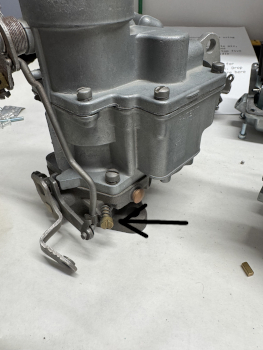
Improper idle mixture screw adjustment can cause a rich or lean idle. These screws control how much fuel is delivered through the idle circuit.
Adjustment Steps:
-
Turn each screw in gently until it seats (don’t overtighten).
-
Then back each one out about 1½ turns as a starting point.
-
Start the engine and fine-tune each screw to achieve the highest, smoothest idle speed. Engine should be warmed up.
-
Optionally, use a vacuum gauge and adjust for the highest steady vacuum reading.
Fix: Properly tuned mixture screws restore stable idle and better throttle response.
3. Inspect the Float Level

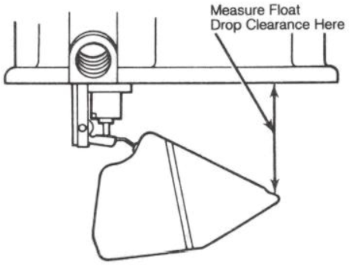
The float height controls the fuel level in the bowl. If the float is too high, the engine can run rich and flood at idle. If it’s too low, it can starve the idle circuit.
Check:
-
Disassemble the carburetor and measure the float height.
-
Spec is typically around 1/4 to 9/32 inch, but check your manual.
Fix: Gently bend the float tab to adjust height to spec.
4. Clean the Idle Circuit Passages
Clogged idle passages prevent fuel from reaching the idle discharge port. If turning the idle screws has no effect, your passages are likely blocked.
Solution:
-
Remove the carburetor and blow out all idle air bleeds, fuel ports, and passages with compressed air.
-
Use a fine wire or carb cleaning tool if needed, but don’t enlarge any holes.
Fix: Cleaning these circuits restores proper idle fuel flow.
5. Set the Throttle Plate Correctly
If the throttle plate is opened too far via the idle speed screw, it can pull fuel from the main circuit instead of the idle circuit, causing unstable or high idle.
Adjust:
-
Turn the idle speed screw counterclockwise to close the plate slightly.
-
Then reset your idle speed using the mixture screws and proper air-fuel balance.
Fix: Ensures fuel is being drawn from the idle system—not the mains.
Final Thoughts – Get Your Carter YF Idling Right
A well-tuned Carter YF or YFA carburetor should idle smoothly, start reliably, and respond cleanly to throttle input. If you're dealing with idle issues, always start with:
-
Vacuum leak detection
-
Idle screw adjustment
-
Float level check
-
Passage cleaning
-
Throttle plate position
These five steps solve the majority of idle problems on Carter YF carburetors.
Need a rebuild kit or replacement parts for your Carter YF?
Visit our full selection of Carter YF carburetor parts here.
