
The Carter W-1 Float Circuit: Operation and Design
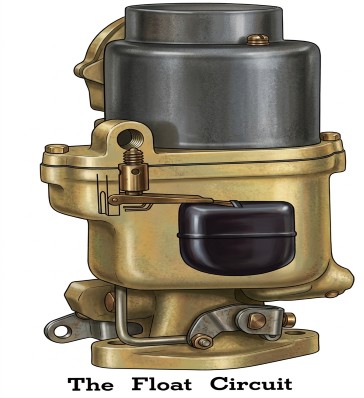
The float circuit in the Carter W-1 is the foundational system of the carburetor. Its primary objective is to maintain a consistent, precisely measured level of fuel in the bowl under varying engine loads and fuel pump pressures, ensuring the low-speed, high-speed, and pump circuits always draw from a stable fuel reservoir.
Here is a mechanical breakdown of how the circuit operates:
1. Fuel Delivery and the Needle/Seat Assembly
Fuel is delivered under pressure from the mechanical fuel pump to the carburetor's inlet fitting. It immediately encounters the needle and seat assembly. The seat is a brass fitting threaded into the main casting, containing a precisely machined orifice. The needle rests inside this seat and acts as the gatekeeper for incoming fuel.
2. Float Actuation
The W-1 utilizes a brass float assembly that pivots on a brass hinge pin.
-
When Fuel is Consumed: As the engine runs, fuel is drawn out of the bowl. The brass float drops with the lowering fuel level. The tang (or lip) on the float arm moves away from the needle. Fuel pump pressure easily pushes the needle off its seat, allowing fresh fuel to flow into the bowl.
-
When the Bowl Fills: As fuel rushes in, the buoyancy of the brass float causes it to rise. The float arm pushes upward against the base of the needle valve.
-
Seating the Needle: Once the fuel reaches the specified height, the mechanical leverage of the float arm pushes the needle tightly into the seat orifice. This upward force overcomes the incoming fuel pump pressure and stops the flow completely, preventing the bowl from overflowing.
3. Bowl Venting
To ensure the fuel can be drawn out of the bowl and into the venturi, atmospheric pressure must be able to push down on the surface of the fuel. The Carter W-1 incorporates a bowl vent (typically routed internally into the air horn) to equalize the pressure. If the bowl were completely sealed, the dropping fuel level would create a vacuum, starving the engine of fuel.
Critical Physical Adjustments
For the float circuit to function reliably, two specific mechanical parameters must be set correctly during assembly or restoration:
-
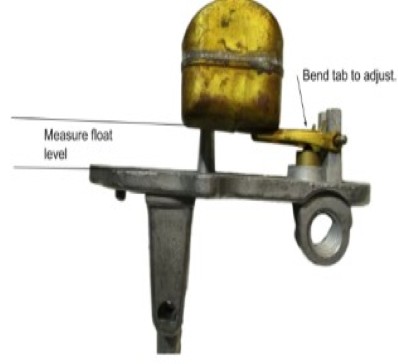
Float Level: This controls the static height of the fuel. If the float is set too high, the fuel level sits too close to the discharge nozzles, causing the engine to run excessively rich or flood. If set too low, the engine may experience a lean hesitation or stall on inclines due to fuel starvation. This adjustment is made by carefully bending the primary tang on the float arm that contacts the needle.
-
Float Drop: This adjustment limits how far the float can hang downward when the bowl is entirely empty. If there is too much drop, the needle can wedge against the side of the seat housing, causing it to bind and fail to close when fuel enters, resulting in severe flooding. This is adjusted by bending the secondary stop tang on the float arm.
Adjusting W-1 Float Level