
Why is my 2280 Flooding?
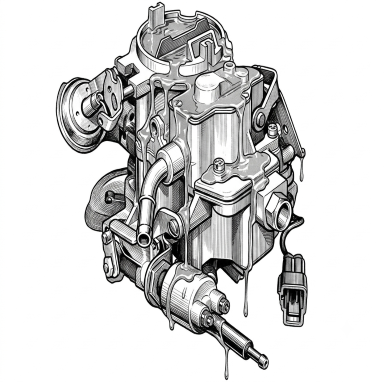
The Holley 2280 carburetor flooding can be caused by several issues. Flooding refers to an excessive amount of fuel entering the engine, which can hinder its performance. Here are some common reasons for flooding in the Holley 2280: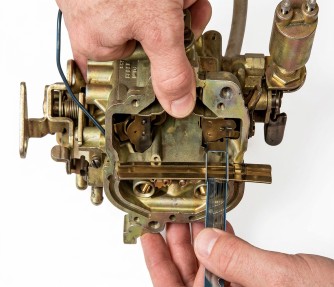
Float Level: If the float level is set too high, it will allow too much fuel into the bowl, leading to flooding. Regularly check and adjust the float level as needed.
Stuck Float: Sometimes, debris can cause the float to get stuck in the 'down' position, allowing too much fuel to enter. Ensure the float moves freely and is not binding or sticking.
Damaged Needle and Seat: (most common) Wear and tear or debris can damage the needle and seat, preventing them from sealing properly. This can allow excess fuel to flow into the carburetor.
Testing your needle & seatPunctured Float: If the float gets a hole or becomes filled with fuel, it will sink and not shut off fuel flow, leading to flooding. Check the float for damage and replace if necessary.
Fuel Pressure: Excessive fuel pressure can overpower the needle and seat, causing too much fuel to enter the carburetor. Ensure the fuel pressure is set within the recommended limits.
Choke Malfunction: If the choke fails to open properly as the engine warms up, it can cause a rich mixture, leading to flooding.

Worn Components: Over time, components inside the carburetor can wear out. Regularly inspect for wear and replace parts as needed.
Gasket Leaks: Damaged or improperly sealed gaskets can cause fuel leaks and lead to flooding.
Improper Adjustments: (unlikely) Incorrect adjustments can lead to flooding. Always ensure that adjustments, such as the idle mixture screws, are set according to the manufacturer's specifications.
To diagnose and fix flooding in the Holley 2280 carburetor, you'll need to inspect the components mentioned and replace or adjust as necessary. If you're not familiar with carburetor troubleshooting, consulting a manual or seeking the assistance of a qualified mechanic is recommended.
My Holley 2280 Hesitates
Hesitation or bogging right off idle on a Holley 2280 almost always points to a lean condition during the transition phase, typically rooted in the accelerator pump circuit or a vacuum leak.
Here is the breakdown of what to check and how to isolate the issue.
1. The Accelerator Pump Circuit
The accelerator pump is responsible for bridging the gap between the idle circuit and the main metering system.
-
The Visual Check: With the engine off, look down the venturi and crack the throttle wide open. You should see an immediate, strong, and steady double squirt of fuel from the discharge nozzles (shooters). If it’s delayed, weak, or non-existent, the issue is in this circuit.
-
Plunger and Cup: Pull the pump plunger and inspect the cup. A worn, cracked, or rolled cup won't build enough pressure. If you are rebuilding it and utilizing a traditional leather pump cup, remember that leather cups do not use expander springs. (If using a modern rubber cup, the spring is not and will not be in the carburetor kit.
-
Stuck Check Balls: The 2280 utilizes a check ball and weight under the pump discharge nozzle. When vehicles sit, modern ethanol fuels evaporate and leave a sticky varnish that glues the check ball into its bore.
If it's stuck, fuel cannot flow to the nozzles regardless of pump pressure. -
Linkage Adjustment: Verify the pump stroke. Place the throttle in the curb idle position. Lay a straightedge across the bowl vent cover surface—the accelerator pump lever should be perfectly flush with that edge. If it isn't, bend the lower pump rod to achieve zero clearance.
2. Dual Power Valves
The 2280 is somewhat unique because it uses two different power valves located in the bottom of the float bowl.
-
Vacuum Power Valve: Located on the throttle lever side.
-
Mechanical Power Valve: Located on the choke vacuum kick side. (This one has a noticeably longer needle).
Make sure the passages feeding these valves are clear of debris and that the mechanical linkage actuating the longer valve is moving freely without binding.
3. Transition Circuit & Vacuum Leaks
If the pump shot is strong and immediate, the hesitation is likely a vacuum leak leaning out the mixture just as the throttle plates expose the transition slots.
-
Throttle Shaft Wear: Spray a little carb cleaner around the ends of the throttle shaft while the engine is idling. If the RPM surges or smooths out, the baseplate is worn and pulling unmetered air.
-
Float Level: A float level that is set too low forces the main metering circuit to engage too late. The engine runs out of fuel from the transition slots before the main jets can take over, causing a pronounced bog.
I Lose Power on the High End
Losing power, flattening out, or surging at high RPM or wide-open throttle (WOT) means the engine is starving for fuel right when demand is highest. While hesitation right off idle is usually the accelerator pump circuit, high-end power loss points directly to the main metering system, the power valve circuit, or a restricted fuel supply.
Here is how to isolate the issue on your 2280.
1. The Dual Power Valve System
Unlike most carburetors, the Holley 2280 relies on two separate power valves (often referred to as step-up systems) located in the float bowl to enrich the main circuit under heavy load. If either fails to open, the mixture leans out drastically at high speed.
-
Mechanical Power Valve: This valve is actuated mechanically by the throttle linkage and uses a longer step-up pin. Verify that the linkage rod connecting the throttle to the mechanical step-up actuator is attached, not bent, and moves freely. If it doesn't physically depress the valve pin at WOT, you lose a significant amount of top-end fuel.
-
Vacuum Power Valve: The second valve is vacuum-operated. When engine load increases and manifold vacuum drops, a spring forces the step-up piston down to open the valve. If varnish has glued the piston or valve shut, or if the vacuum passage feeding it is clogged with carbon, it will remain closed under heavy load.
2. Float Level and Fuel Bowl Depletion
If the power valves are functioning, the carburetor might simply be running out of fuel. At WOT, the engine can drain the float bowl faster than a restricted system can refill it.
-
Float Adjustment: A float set even slightly too low will lower the fuel head pressure over the main jets. The engine might run perfectly at cruising speed, but at sustained WOT, the fuel level drops below the critical feed point for the main jets.
-
Needle and Seat: Remove the needle and check the seat orifice for debris, rust flakes, or a torn filter screen restricting flow.
-
Fuel Delivery: Ensure your fuel pump is delivering adequate volume, not just pressure. A weak mechanical pump or a partially clogged inline filter will easily keep up with idle and transition demands but will starve the bowl at high RPMs.
- Change Fuel Filter: A neglected filter can cause all kinds of fuel shortage problems.
3. Main Metering Restrictions
If the bowl is full and the power valves are opening, the restriction is in the main body itself.
-
Main Jets: Debris often settles in the bottom of the bowl and gets pulled into the main jets under high flow conditions. Even a partial restriction will lean out the top end.
-
Main Discharge and Emulsion: Remove the venturi cluster and use compressed air and carb cleaner to blow through the main discharge nozzles and the emulsion tubes. If the high-speed air bleeds are clogged, the engine will typically run rich, but clogged liquid fuel passages in the main body will cause your lean power loss.
Starts Hard in the Morning
Hard starting in the morning—a true cold start issue—almost always comes down to an empty fuel bowl, a malfunctioning choke, or a missing prime shot.
Here is how to break down a morning starting issue on the Holley 2280.
1. Dry Fuel Bowl (Evaporation or Siphoning)
Modern ethanol-blended fuels are highly volatile and evaporate quickly from vented float bowls. If the vehicle sits for a few days, the bowl may simply be empty.
-
The Test: Before cranking the engine in the morning, look down the carburetor throat and pump the throttle once. If you do not see a strong squirt of fuel from the accelerator pump discharge nozzles, the bowl is empty.
-
The Fix: You are relying entirely on the mechanical fuel pump to refill the bowl while cranking, which takes time. Check your fuel line routing to ensure it isn't resting against hot engine components that cause the fuel to boil out after shut-down the day before.
2. Missing Prime Shot (Accelerator Pump)
If the bowl does have fuel but you aren't getting that initial squirt when you pump the pedal, the engine has no raw fuel to fire on.
-
The Cuprit: The accelerator pump cup may be dried out, cracked, or improperly assembled. When pulling the pump plunger to inspect the cup, verify the setup. If the assembly utilizes a traditional leather pump cup, ensure an expander spring wasn't mistakenly installed, as leather cups do not use them—they rely entirely on the fuel to swell the leather and create a tight bore seal.
-
Check Ball: Ensure the pump discharge check ball isn't stuck in its bore, blocking the prime shot.
3. Choke Plate Not Closing
For a cold engine to fire, it needs a highly enriched fuel mixture. When you press the gas pedal to the floor once before cranking, the choke plate should snap entirely shut.
-
Thermostatic Coil: The bi-metal spring in the choke housing contracts when cold. If it is weak, broken, or improperly adjusted, it won't pull the choke valve closed.
-
Binding Linkage: Dirt or slightly bent linkage rods can easily overcome the tension of the cold choke spring. Disconnect the linkage and ensure the choke valve shaft rotates effortlessly by hand.
4. Fast Idle Cam Not Engaging
When the choke closes, the linkage must simultaneously pull the fast idle cam into position. This slightly opens the throttle plates to let in enough air to keep the engine running once it catches.
-
The Adjustment: If the fast idle screw misses the highest step of the cam when the choke is fully closed, the engine will fire and immediately stall because the throttle plates are shut too tight.
5. Vacuum Kick (Choke Pull-Off) Malfunction
Once the engine fires, manifold vacuum is applied to the choke pull-off diaphragm, which forces the choke plate open roughly 1/8 to 1/4 inch so the engine doesn't flood.
-
The Rupture: If the diaphragm is ruptured, it won't pull the choke open at all, causing a very rich stall.
-
Misadjusted: If the linkage is adjusted too tight, it will yank the choke completely open the second the engine catches, instantly leaning out the mixture and killing the cold engine.
